Guate502 Guate502

The Language of Guatemala: What You’ll Actually Hear and Need

If you’re curious about Guatemala or planning a trip, you’re likely wondering: «What language do people speak there?» The answer is more fascinating than a single word. While the official answer is Spanish, the reality on the ground is a vibrant mix of languages that reflects the country’s rich indigenous heritage.


Anuncio

Here’s a straightforward breakdown of what you can expect to hear and use.

The Main Language: Spanish is King

For daily life, business, and travel throughout most of Guatemala, Spanish is the language you will use.

  • Ubiquity: Over 90% of the population speaks Spanish. It is the lingua franca that connects people from different ethnic groups.
  • What You’ll Hear: From the moment you land at the airport, check into a hotel, order food at a restaurant, or take a bus, interactions will primarily be in Spanish.
  • For Travelers: You do not need to be fluent, but knowing basic Spanish phrases is incredibly useful and respectful. Being able to handle greetings, order food, ask for prices, and get directions will dramatically improve your experience.
The Indigenous Languages: A Living Cultural Fabric

Beyond Spanish, Guatemala is home to 22 Mayan languages, plus Garífuna and Xinca. You will encounter these languages, but the context is key.

  • Where You’ll Hear Them: Indigenous languages are the primary spoken languages in countless towns and villages, especially in the Western Highlands, around Lake Atitlán, and in the rural north.
  • In Daily Life: In local markets (like the famous one in Chichicastenango), on public «chicken buses,» and in village streets, you will hear conversations in K’iche’, Kaqchikel, Q’eqchi’, Mam, and many others.
  • Bilingualism is Common: Most indigenous speakers are bilingual, also speaking Spanish. However, in very remote communities, you might meet elderly people or women who primarily speak their native Mayan language.

The Tourist Language: English is Present, But Not Widespread

Many travelers ask: «Can I get by with only English?» The answer is a qualified yes, with a clear understanding of the limits.

  • Where English Works: In the main tourist centers—Antigua, Guatemala City’s Zona 10, and the main towns around Lake Atitlán (like Panajachel)—you will find that staff at hotels, tour operators, and nicer restaurants speak functional to good English.
  • Where English Fades: As soon as you step away from these established tourist spots, the prevalence of English drops significantly. In local comedores (small eateries), on non-tourist transportation, and in smaller towns, you cannot rely on English.

Practical Advice for Visitors

  1. Learn Key Spanish Phrases: «Buenos días» (Good morning), «Gracias» (Thank you), «¿Cuánto cuesta?» (How much does it cost?), «¿Dónde está…?» (Where is…?). This small effort is greatly appreciated.
  2. Use a Translation App: Google Translate or similar apps are invaluable, especially for reading menus or having more complex conversations.
  3. Don’t Worry About Mayan Languages: You do not need to learn a Mayan language to visit. While locals would be delighted if you learned a word like «Matyox» (Thank you in Kaqchikel), Spanish is the practical tool for communication across the country.
  4. Hire a Guide: If you want to visit indigenous communities and learn about their culture and language directly, hiring a local, bilingual guide is the best and most respectful approach.

Summary: What to Expect

  • Primary Language for You to Use: Spanish.
  • Languages You Will Commonly Hear: Spanish everywhere, and Mayan languages in specific regions and markets.
  • Backup Language in Tourist Zones: English.

Guatemala’s language scene is a key part of its identity. You’ll be navigating in Spanish while being surrounded by the beautiful, ancient sounds of its indigenous cultures. It’s this combination that makes a visit to Guatemala so unique.

Spanish is the official language of Guatemala and is spoken by approximately 93% of the population. It is used in government, education, media, and daily communication.

While it’s not mandatory, knowing basic Spanish will significantly enhance your travel experience. In tourist areas, you can manage with English, but Spanish is essential for interacting in local markets, rural communities, and non-touristy regions.

No, English is not widely spoken throughout Guatemala. While it’s common for people working in tourism (hotels, tour companies, restaurants in popular areas) to speak English, it is not a day-to-day language for the general population.

Outside of tourist zones, you cannot expect the average person on the street to understand or speak English.

You can get by, but with significant limitations. English will be sufficient only if you stay within the main tourist circuits—such as central Antigua, designated tourist zones in Guatemala City, and popular hotels and tour companies.

However, it is highly unlikely that a random person you stop on the street, a local market vendor, or a public bus driver will speak English. For everyday interactions outside of curated tourist services—like asking for directions, negotiating in a market, or dealing with any unexpected situation—you will face a language barrier.

Verdict: Relying solely on English restricts your experience and independence. Learning basic Spanish is strongly recommended for a smoother and more immersive trip.

Guatemala is home to 22 Mayan languages. The most widely spoken include K’iche’, Q’eqchi’, Kaqchikel, and Mam. Additionally, Garífuna and Xinca are recognized indigenous languages.

Absolutely! Guatemala is renowned for its affordable and high-quality Spanish immersion schools, particularly in Antigua and Xela (Quetzaltenango). Some schools also offer introductory courses in Mayan languages.

In rural areas, you may encounter people who speak only indigenous languages. Even in Spanish-speaking regions, accents and slang can vary. Carrying a phrasebook or using apps like Google Translate can help.

Yes, most tour operators in tourist areas provide English-speaking guides. It’s advisable to book tours in advance and confirm language preferences to ensure a comfortable experience.

In cities and tourist zones, emergency services often have English-speaking staff. However, in remote areas, it’s wise to have key phrases written down or use a translation tool for clarity.

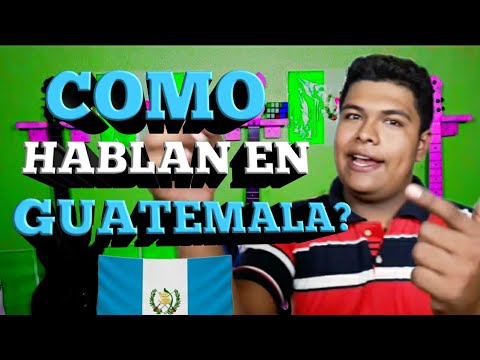
Yes, Guatemalan Spanish has its own unique characteristics, particularly in accent and local slang, while sharing some grammatical features with neighboring countries. While it’s mutually intelligible with other Spanish dialects, you’ll notice distinct differences in pronunciation, vocabulary, and some aspects of grammar.

Here are the key features that make it unique:

  1. Pronunciation (Acento Chapín):
    • Softer «S»: Unlike in Spain or the Caribbean, the «s» at the end of syllables is often softened or slightly aspirated (like a gentle «h» sound). For example, «estás» might sound more like «ehtáh.»
    • Formal «You»: The formal pronoun «usted» is used much more frequently than the informal «tú,» even among friends and family.
    • Distinct Accent: The Guatemalan accent, often called «acento chapín,» is notably different from accents in other Spanish-speaking regions, including its neighbor El Salvador, despite some shared grammatical traits.
  2. Vocabulary (Local Slang): Guatemalans use many words that are unique to the country. For example:
    • «Chapín»/»Chapina»: A colloquial and proud term for a Guatemalan man or woman.
    • «Canche»/»Chele»: Means a blond or fair-skinned person.
    • «Pisto»: Slang for money.
    • «Shuco»: Means dirty, or it can also refer to a popular type of hot dog.
  3. Grammar:
    • Use of «Vos» (Voseo): The pronoun «vos» is very common in informal speech, similar to its use in El Salvador. However, the Guatemalan accent remains distinctly different. It’s worth noting that «vos» is also used in several other countries, including Argentina, Uruguay, Paraguay, and parts of Central America like Nicaragua and Costa Rica.

In short, while you’ll be perfectly understood if you speak standard Spanish, paying attention to these nuances—especially the unique accent and shared use of «vos»—will help you better connect with locals and appreciate the cultural diversity in Guatemala.

Related terms: Guatemala country language​, what language do they speak in Guatemala​, what language is spoken in Guatemala, what is the language of Guatemala​, what is the language in Guatemala​.

Compartir en:

Facebook Messenger WhatsApp X
Buscar en el sitio:

Categorias

  • En Guatemala

© 2025 Guate502. All rights reserved.